

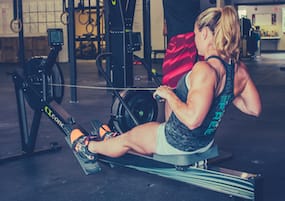
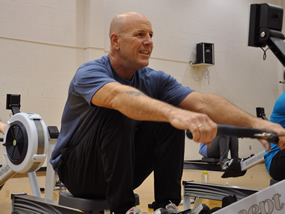
 Rowing is easy to learn. Once you know the basics, you’ll be well on your way to reaching your fitness goals. Use the tips and resources in this section to make the most of your indoor rower.
Learn Proper Technique
Before your first workout, take the time to watch our technique videos. Learning proper technique from the start will help you row better and faster in the long run. It will also help prevent injury and keep you from developing bad technique habits that are difficult to break.
Educate Yourself
Become familiar with the basic things that will be key to your long-term success: beneficial stretches, helpful breathing techniques, how to be comfortable on the indoor rower, and what the damper setting does. There is a lot of great information under Tips and General Info and in the Training Guide; we recommend taking the time to look through them.
Build Up Gradually
When you first get on the indoor rower, resist the temptation to do too much too soon. Instead, make sure you focus on your technique and learn to maintain a steady pace. Follow our First Workouts in the Training Programs section.
Track Your Progress
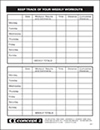
Train with a Partner
Finding a workout partner can make a huge difference in sticking to a new routine. You can use the Training Partner feature of our online logbook to keep track of their progress, no matter where they live.